Mastering Light Air Sailing
Light air racing is no one’s favorite, but when you wake up to a glassy morning the day of a big race, you can make the most of it with these pro tips.

Light air racing is no one’s favorite, but when you wake up to a glassy morning the day of a big race, you can make the most of it with these pro tips.
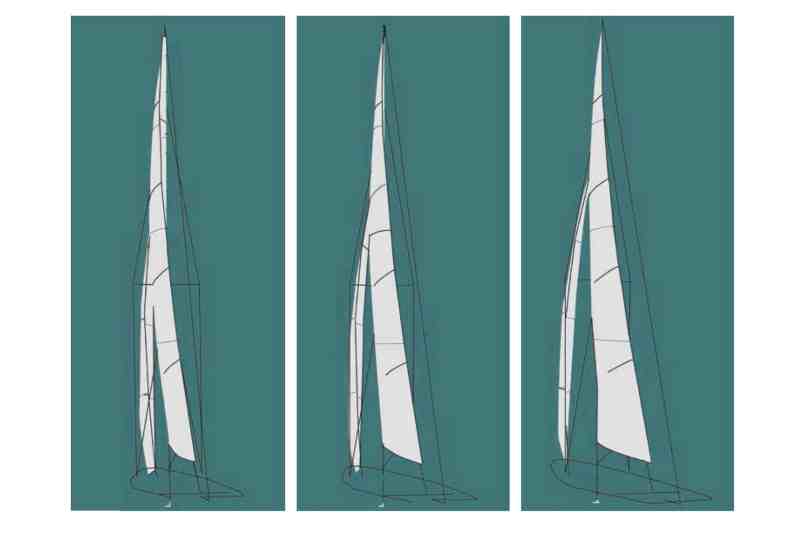
Learning the ins and outs (and fore and aft) of jib leads will help you maximize the performance of your headsail.

There’s a lot going on in the final minutes of the pre-start, and a keen eye to what’s happening up the course and with your own sails can help you recognize, and react to, a last-minute shift.
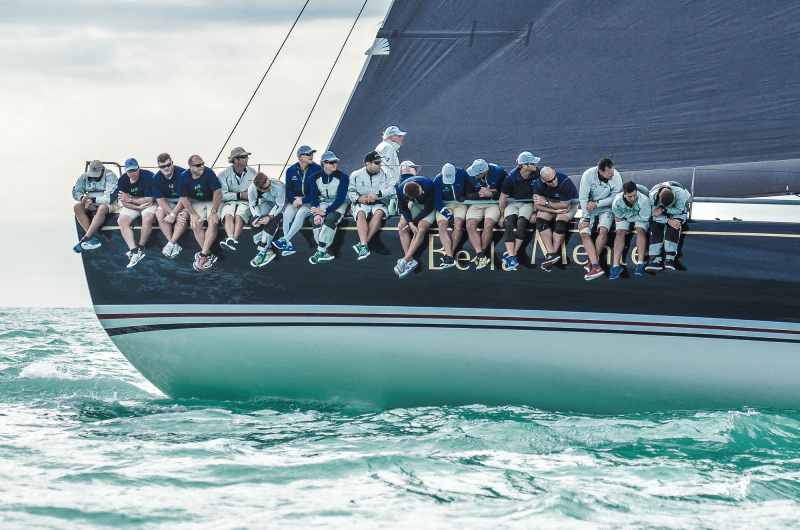
Weight is key in sailing performance. Jay Sharkey gives his pro tips on making the best of the weight onboard whenever you’re on the water.
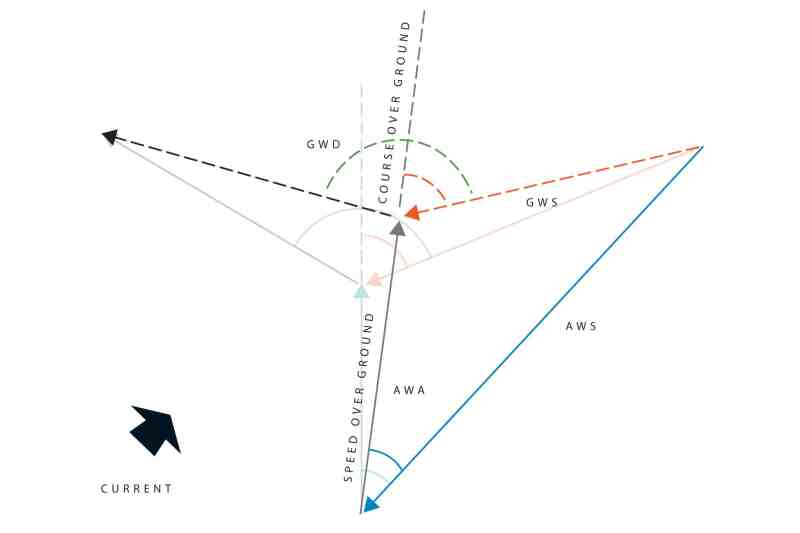
Miles Seddon cracks the codes of electronics readings on speed and course over ground
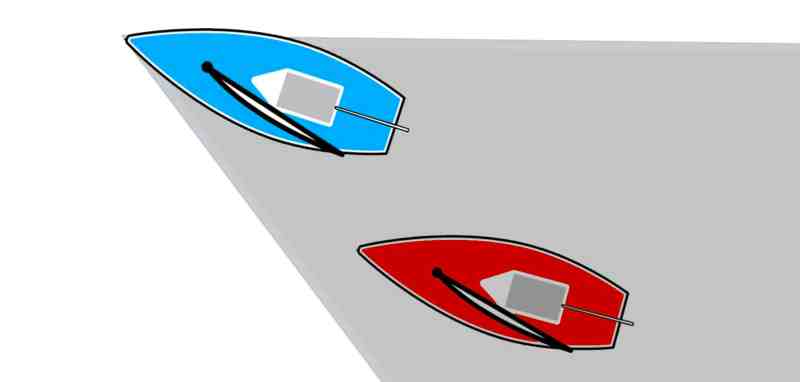
Don’t cover early, do cover late.
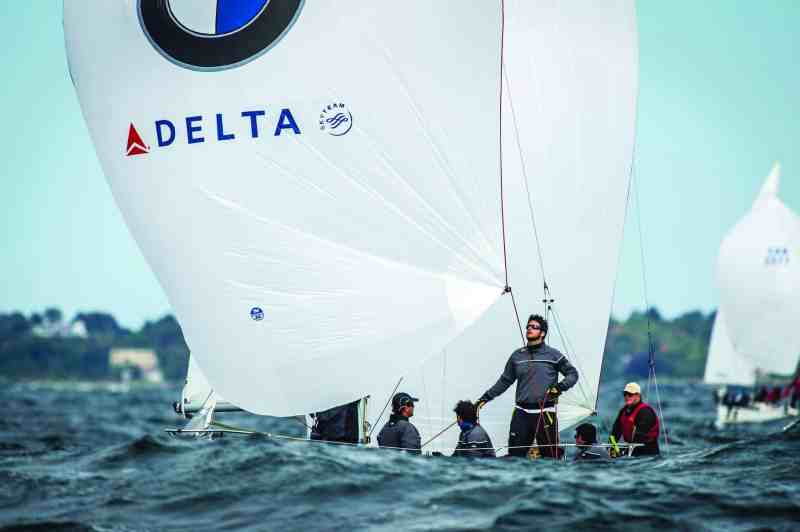
Symmetric spinnakers are often the most dynamic and challenging sail to trim perfectly. By understanding how they behave at different wind angles, however, you can better unlock its potential.
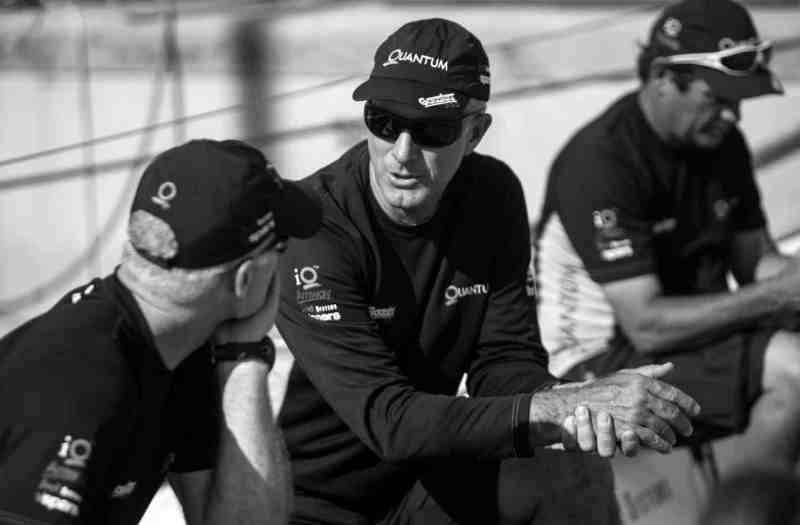
You can respect your competitors, push the limits, and race hard while not losing sight of the big picture.
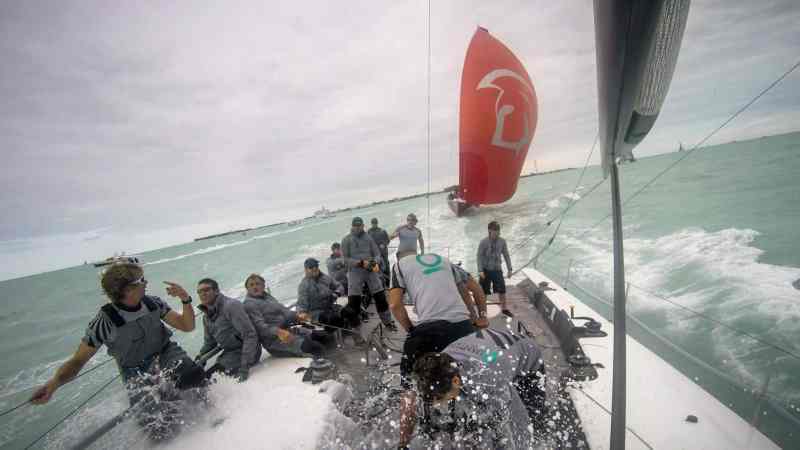
When the team hasn’t sailed together in a while, there’s an easy way to get everyone on the same page and going fast.
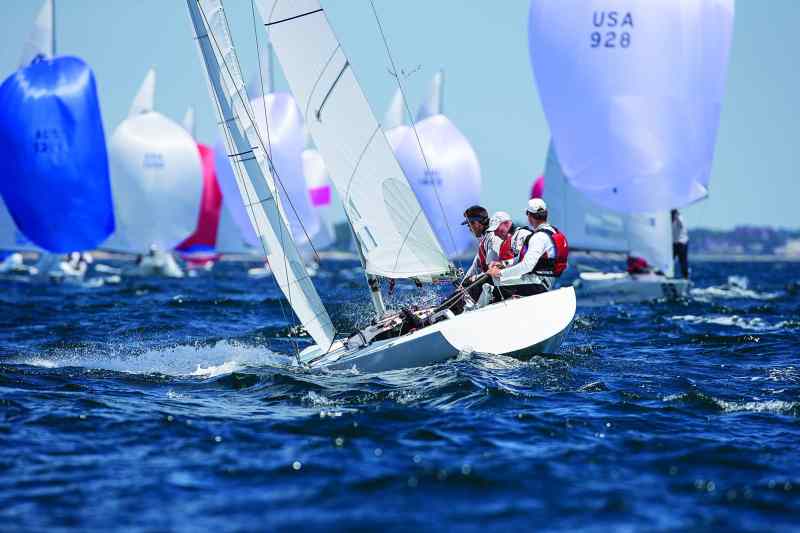
The second lap of a windward-leeward racecourse is just as important as the first. Look for more opportunities for clear passing lanes.
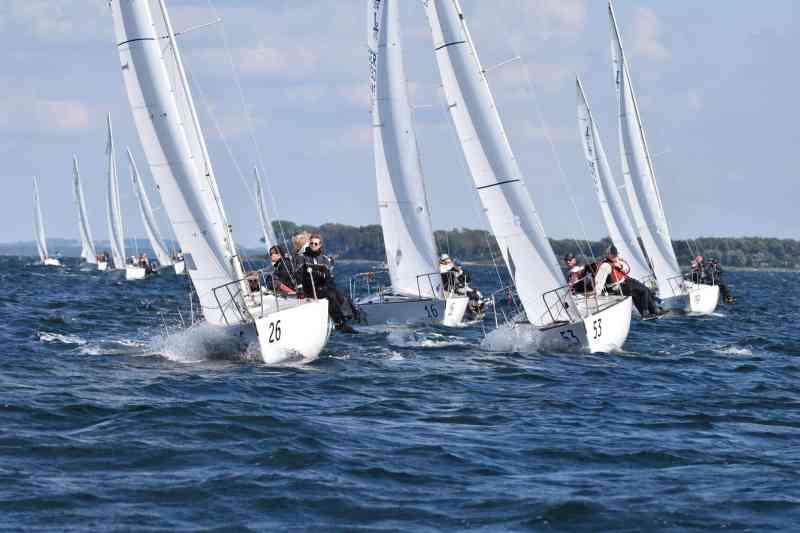
Each crew position has its own specific responsibilities and requires a particular skill set, but there are some attributes common to all top crews.

The experts offers their top tips on the small things that can have the biggest impact on your boatspeed.
Light air racing is no one’s favorite, but when you wake up to a glassy morning the day of a big race, you can make the most of it with these pro tips.
Learning the ins and outs (and fore and aft) of jib leads will help you maximize the performance of your headsail.
There’s a lot going on in the final minutes of the pre-start, and a keen eye to what’s happening up the course and with your own sails can help you recognize, and react to, a last-minute shift.
Weight is key in sailing performance. Jay Sharkey gives his pro tips on making the best of the weight onboard whenever you’re on the water.
Miles Seddon cracks the codes of electronics readings on speed and course over ground
Don’t cover early, do cover late.
Symmetric spinnakers are often the most dynamic and challenging sail to trim perfectly. By understanding how they behave at different wind angles, however, you can better unlock its potential.
You can respect your competitors, push the limits, and race hard while not losing sight of the big picture.
When the team hasn’t sailed together in a while, there’s an easy way to get everyone on the same page and going fast.
The second lap of a windward-leeward racecourse is just as important as the first. Look for more opportunities for clear passing lanes.
Each crew position has its own specific responsibilities and requires a particular skill set, but there are some attributes common to all top crews.
The experts offers their top tips on the small things that can have the biggest impact on your boatspeed.