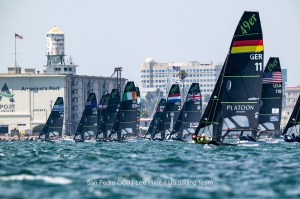
Mark-Room Cases
A new ISAF case and US SAILING appeal aim to provide more clarity to mark-rounding situations. “Rules” from our March 2011 issue.

A new ISAF case and US SAILING appeal aim to provide more clarity to mark-rounding situations. “Rules” from our March 2011 issue.

Your body is an extension of your boat, so maintain it just as you would your hardware and sails. “Technique” from our March 2011 issue.

When it comes down to a one-on-one situation, the competitor with the most match-racing savvy will likely come out ahead. “Tactics” from our March 2011 issue.
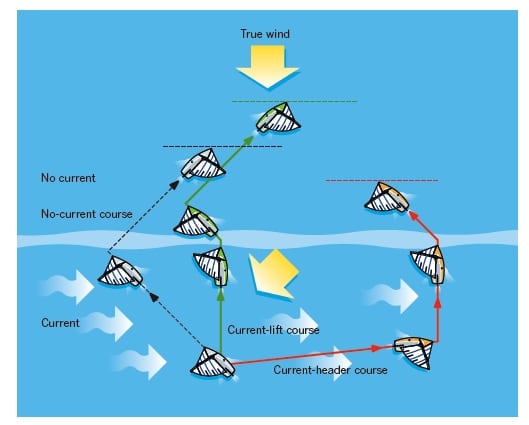
The Doc and Racer Rob explore the vagaries of racing in current and get to the bottom of the myth of the lee-bow effect. “Strategy” from our January/February 2012 issue.

The long road to a world championship is often though of as a lonely one. But it doesn’t have to be. “Winner’s Debrief” from our January/February 2012 issue.

We didn’t have a white Christmas in Cleveland, so I put in some hours with the Sled.
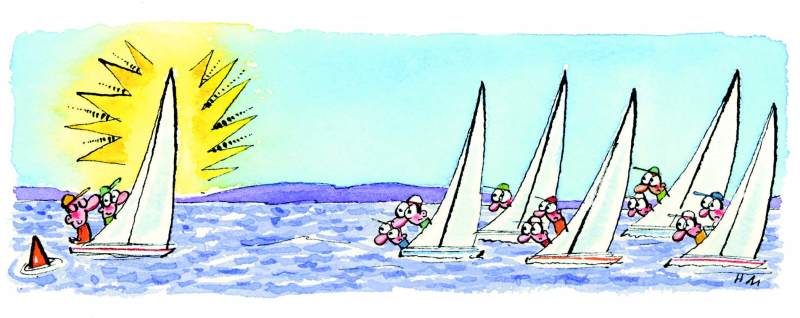
The favored end of the starting line may be favorable most of the time, but when it’s shifty, ignore the opposite end at your own peril. “Strategy” from our October 2010 issue.

Two reader questions give the rules a workout and point out a few features not covered in any beginner’s guide to the rules. “Rules” from our October 2010 issue.

Writing a fair and simple set of rules to get a fleet around the marks is undoubtedly the most challenging task that the writers of rules face. Take a look at these two situations. “Rules” from our June 2011 issue.

When it comes to dealing with protest and race committees, your rights are clearly defined. “Rules” from our September 2010 issue.

Gain on the competition by anticipating packs of boats and avoiding their bad air and chop. “Fundamentals” from our September 2010 issue.
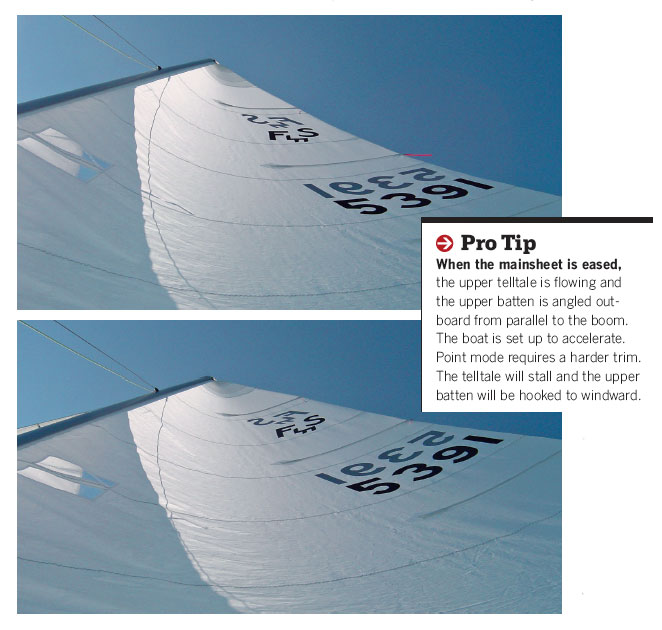
There’s no trickery to attaining that elusive point gear. It’s all about the flow across your foils and the trim of your sails. “Boatspeed” from our September 2010 issue.
A new ISAF case and US SAILING appeal aim to provide more clarity to mark-rounding situations. “Rules” from our March 2011 issue.
Your body is an extension of your boat, so maintain it just as you would your hardware and sails. “Technique” from our March 2011 issue.
When it comes down to a one-on-one situation, the competitor with the most match-racing savvy will likely come out ahead. “Tactics” from our March 2011 issue.
The Doc and Racer Rob explore the vagaries of racing in current and get to the bottom of the myth of the lee-bow effect. “Strategy” from our January/February 2012 issue.
The long road to a world championship is often though of as a lonely one. But it doesn’t have to be. “Winner’s Debrief” from our January/February 2012 issue.
We didn’t have a white Christmas in Cleveland, so I put in some hours with the Sled.
The favored end of the starting line may be favorable most of the time, but when it’s shifty, ignore the opposite end at your own peril. “Strategy” from our October 2010 issue.
Two reader questions give the rules a workout and point out a few features not covered in any beginner’s guide to the rules. “Rules” from our October 2010 issue.
Writing a fair and simple set of rules to get a fleet around the marks is undoubtedly the most challenging task that the writers of rules face. Take a look at these two situations. “Rules” from our June 2011 issue.
When it comes to dealing with protest and race committees, your rights are clearly defined. “Rules” from our September 2010 issue.
Gain on the competition by anticipating packs of boats and avoiding their bad air and chop. “Fundamentals” from our September 2010 issue.
There’s no trickery to attaining that elusive point gear. It’s all about the flow across your foils and the trim of your sails. “Boatspeed” from our September 2010 issue.