Smart Roundings at the Weather Mark
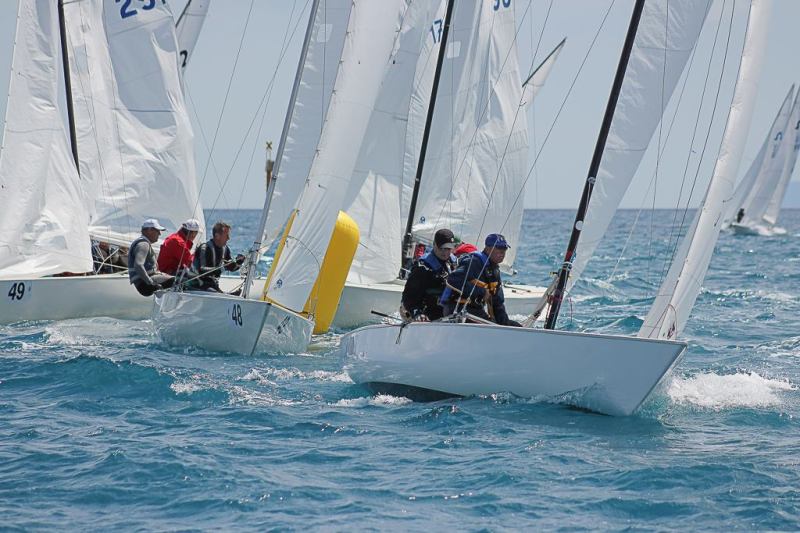
Join the layline parade to the weather mark too early or too late, and you’ll struggle to round. Pick the right moment, and you’ll capitalize at the top of the beat.

Join the layline parade to the weather mark too early or too late, and you’ll struggle to round. Pick the right moment, and you’ll capitalize at the top of the beat.
Even the best tacticians pick the wrong side on occasion. When that happens, the key is to identify things aren’t going well and move to minimize the damage.
These funny boat and sailing phrases help make teaching easier.
Not all sea breezes are created equal. To know which way to go, you need to know their origin.
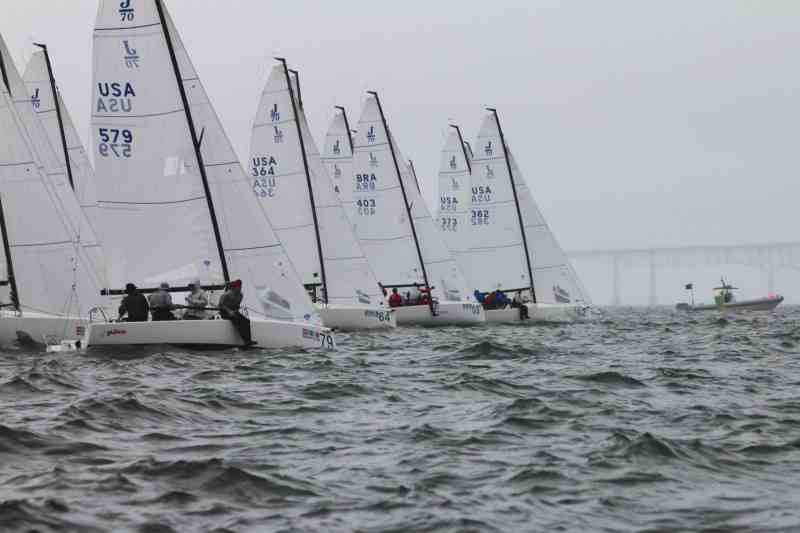
Top sailors know that time well spent before the day’s first start will go a long way toward good finishes.
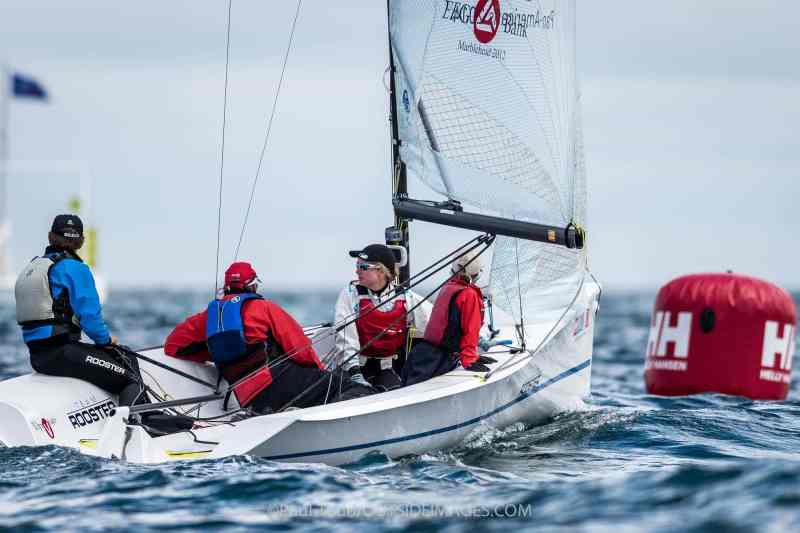
Upwind or down, the key for crews is to feed information about incoming puffs to the skipper.
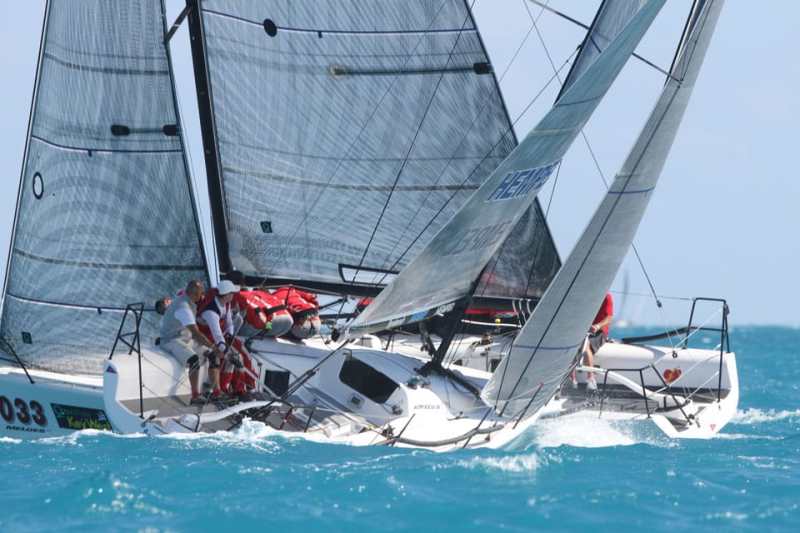
Whether you’re on port or starboard tack, the desired outcome of any crossing situation is the same: emerge in control of your destiny.
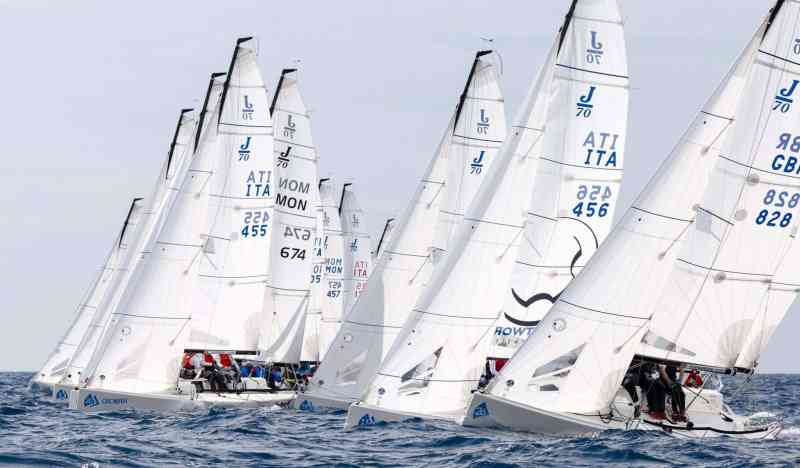
Tim Healy shares his top tips for improving your angle when you’re having trouble pointing.
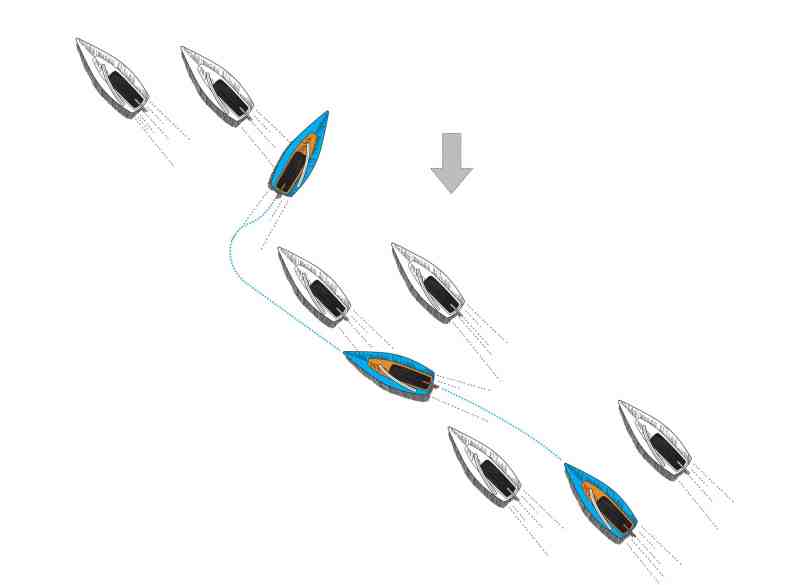
Everyone is bound to have an occasional bad start. If and when you do, just look for the exit signs and make your move when opportunity knocks.
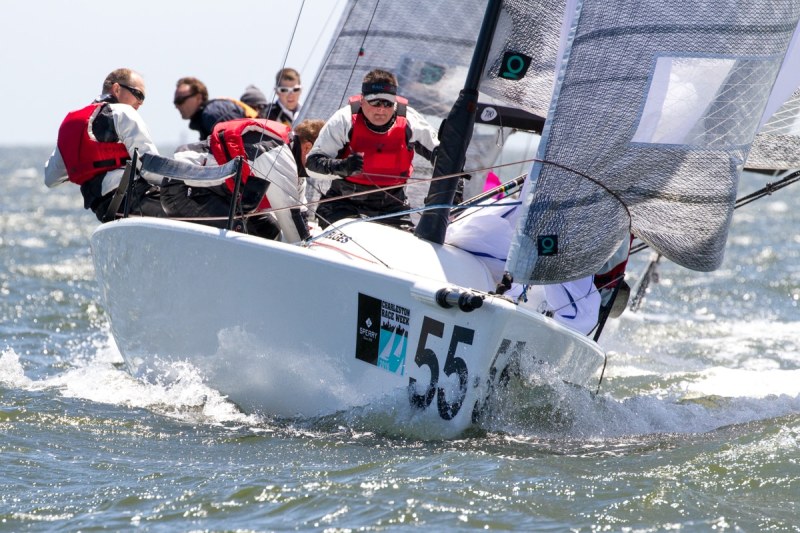
Melges 24 experts Chris Rast and Scott Nixon put together a timeline to help your team prepare for the big regatta, so you’ll be ready to hit the starting line.
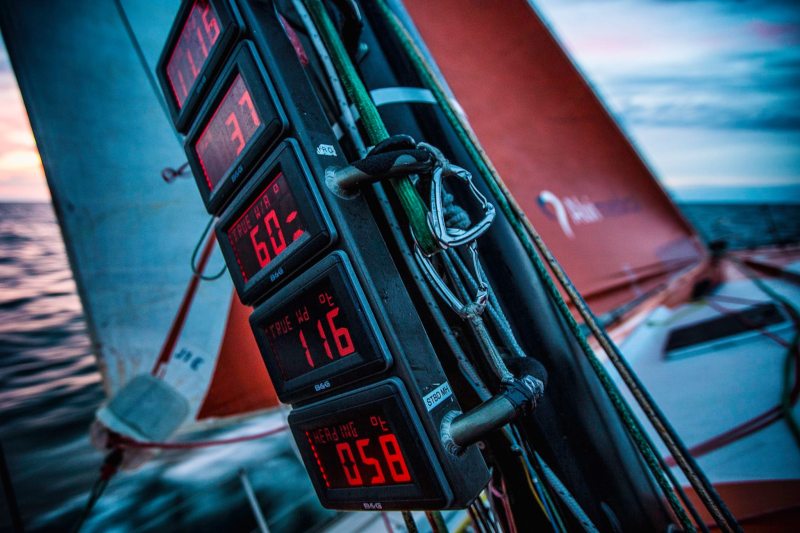
Sailing your boat at maximum efficiency starts with an understanding of your target boatspeed and then learning how to apply it across different conditions.
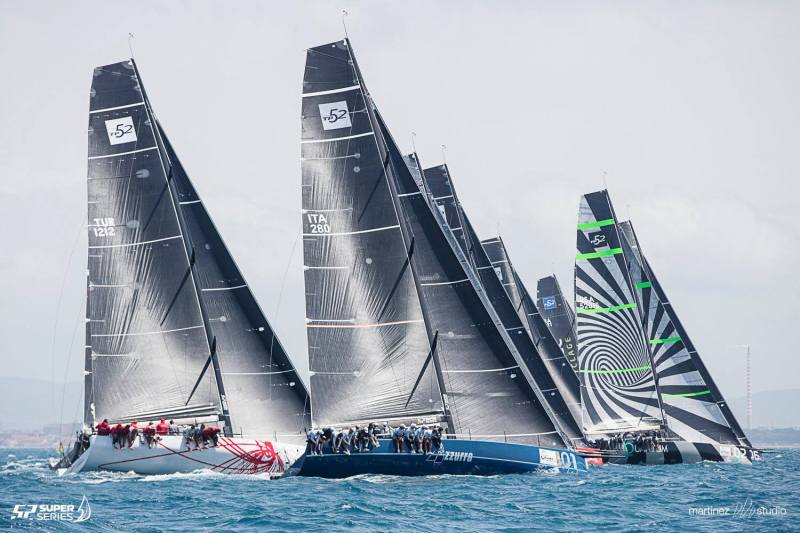
A starting line with a favored end opposite of where you want to go can throw a wrench in your plans, Terry Hutchinson sorts out options when things get tough.
Join the layline parade to the weather mark too early or too late, and you’ll struggle to round. Pick the right moment, and you’ll capitalize at the top of the beat.
Even the best tacticians pick the wrong side on occasion. When that happens, the key is to identify things aren’t going well and move to minimize the damage.
These funny boat and sailing phrases help make teaching easier.
Not all sea breezes are created equal. To know which way to go, you need to know their origin.
Top sailors know that time well spent before the day’s first start will go a long way toward good finishes.
Upwind or down, the key for crews is to feed information about incoming puffs to the skipper.
Whether you’re on port or starboard tack, the desired outcome of any crossing situation is the same: emerge in control of your destiny.
Tim Healy shares his top tips for improving your angle when you’re having trouble pointing.
Everyone is bound to have an occasional bad start. If and when you do, just look for the exit signs and make your move when opportunity knocks.
Melges 24 experts Chris Rast and Scott Nixon put together a timeline to help your team prepare for the big regatta, so you’ll be ready to hit the starting line.
Sailing your boat at maximum efficiency starts with an understanding of your target boatspeed and then learning how to apply it across different conditions.
A starting line with a favored end opposite of where you want to go can throw a wrench in your plans, Terry Hutchinson sorts out options when things get tough.