How To Call Puffs
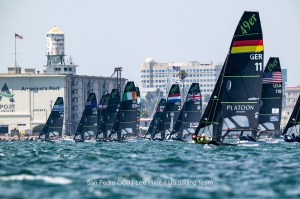
Upwind or down, the key for crews is to feed information about incoming puffs to the skipper.

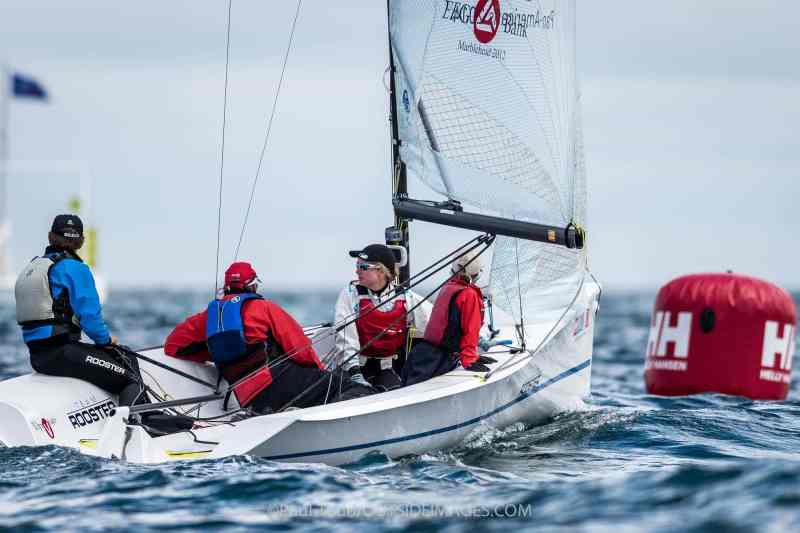
Upwind or down, the key for crews is to feed information about incoming puffs to the skipper.
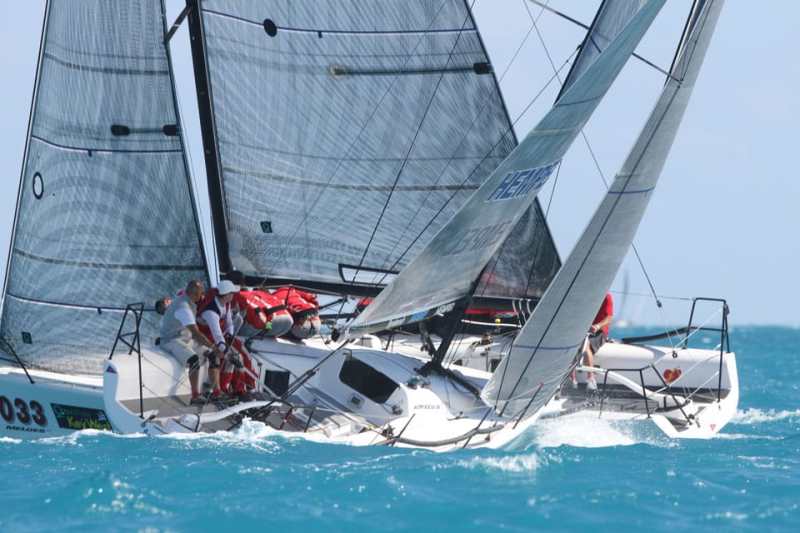
Whether you’re on port or starboard tack, the desired outcome of any crossing situation is the same: emerge in control of your destiny.
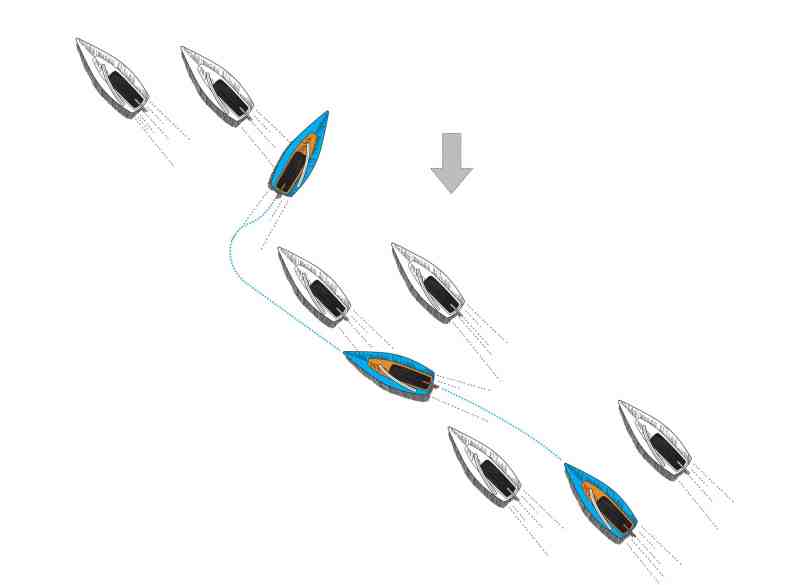
Everyone is bound to have an occasional bad start. If and when you do, just look for the exit signs and make your move when opportunity knocks.
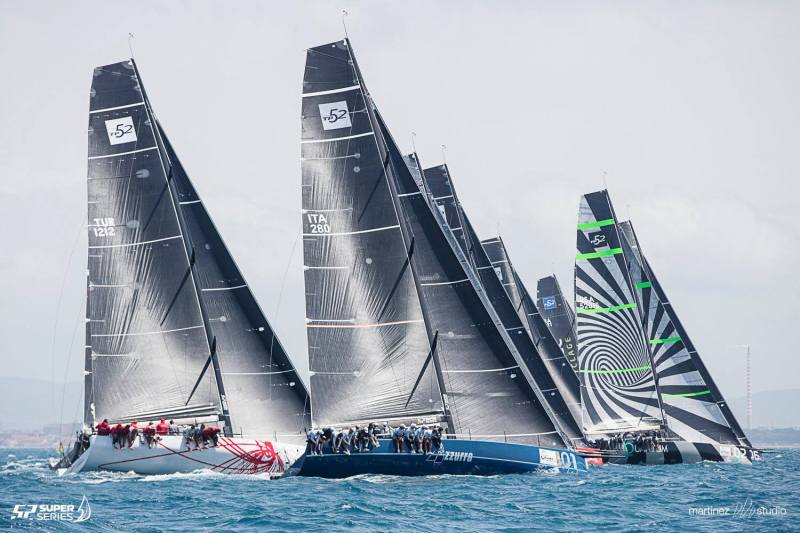
A starting line with a favored end opposite of where you want to go can throw a wrench in your plans, Terry Hutchinson sorts out options when things get tough.
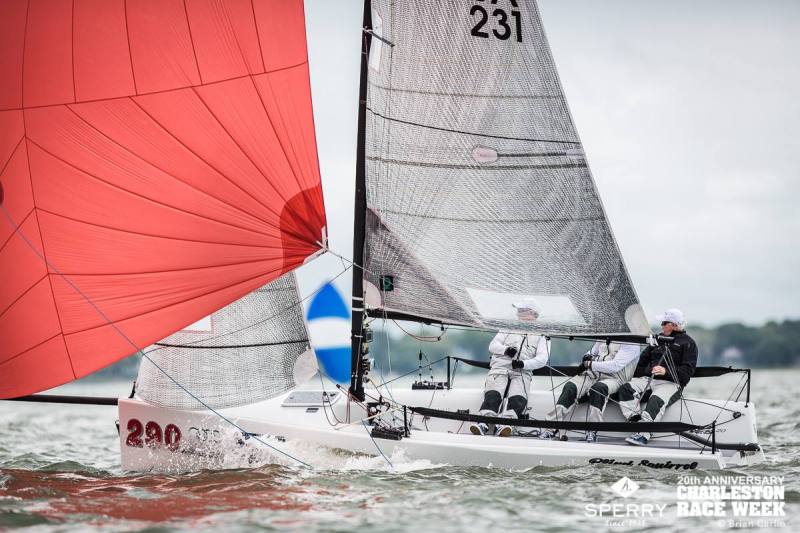
Terry Flynn reflects on the lessons learned sailing in a one-design fleet to keep in mind on the race course.

You don’t need to be a pro or have a pro on board to win races. Two top corinthian teams share their strategy for making to the top.
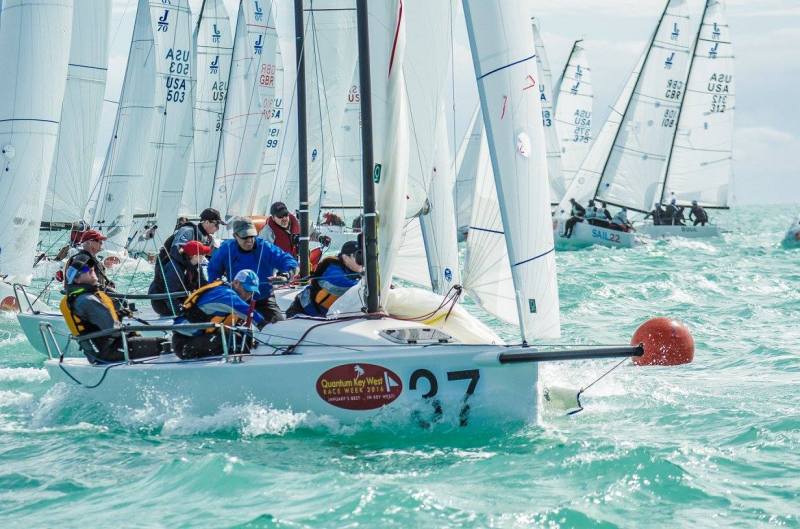
Keep it simple and understand your boat’s performance to better make gains and manage traffic in big fleets.
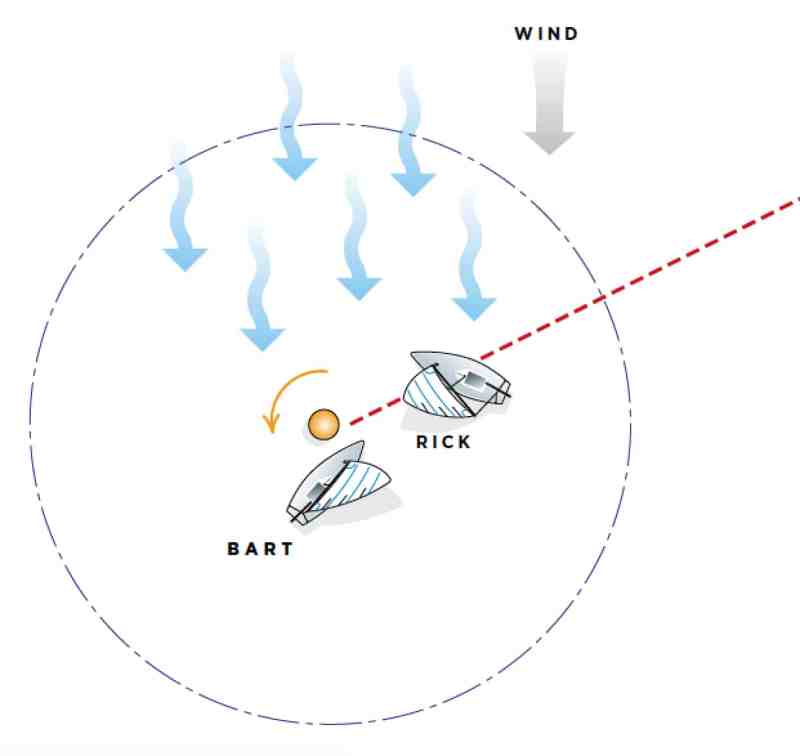
Knowing why a rule was added to the rulebook may help you remember it, and keep you out of the protest room.
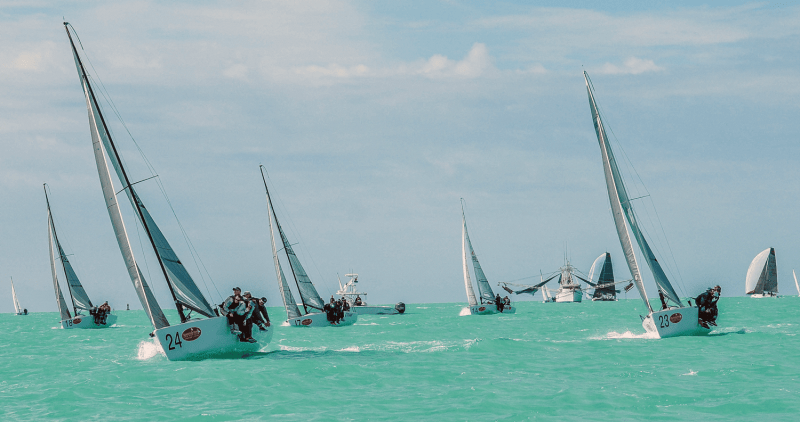
Want to win your next big event? Don’t overthink the problem, just follow these simple steps and you’ll be well on your way.
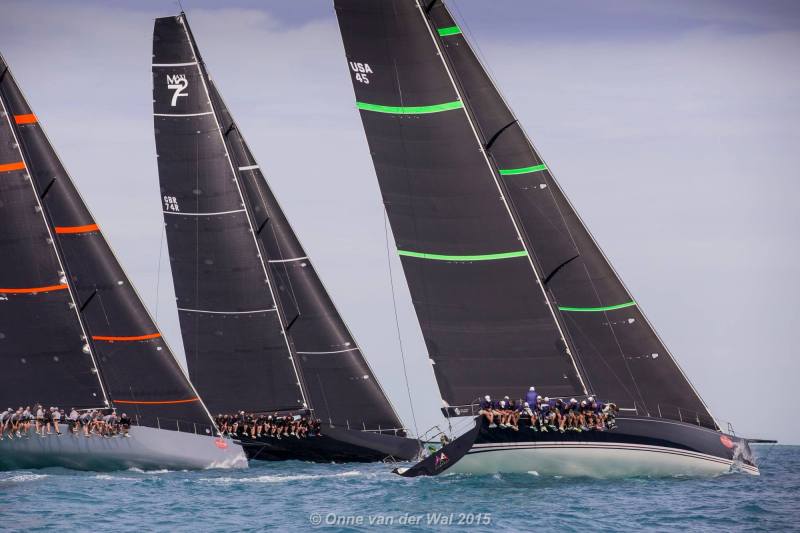
Regattas are often won not by the sailor with the most great finishes, but by the sailor with the fewest bad finishes.
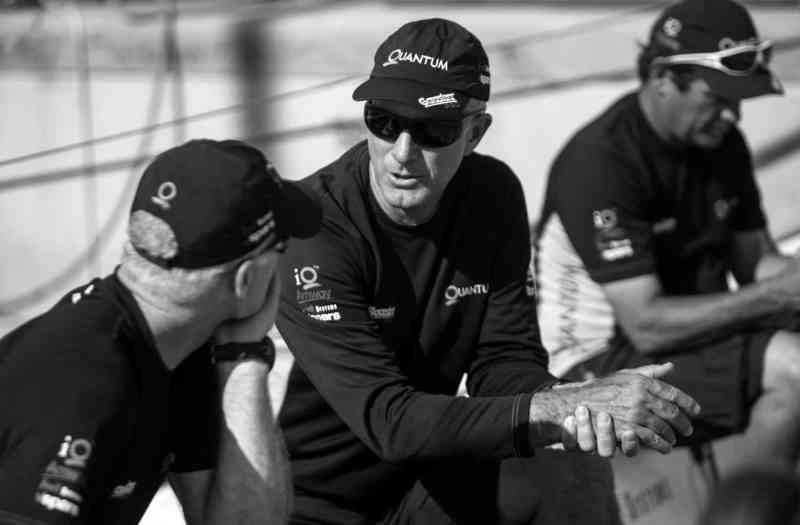
Communication on the water and off are essentially the same; but more often than not, what you talk about on shore and in between regattas will have bigger rewards on the water.
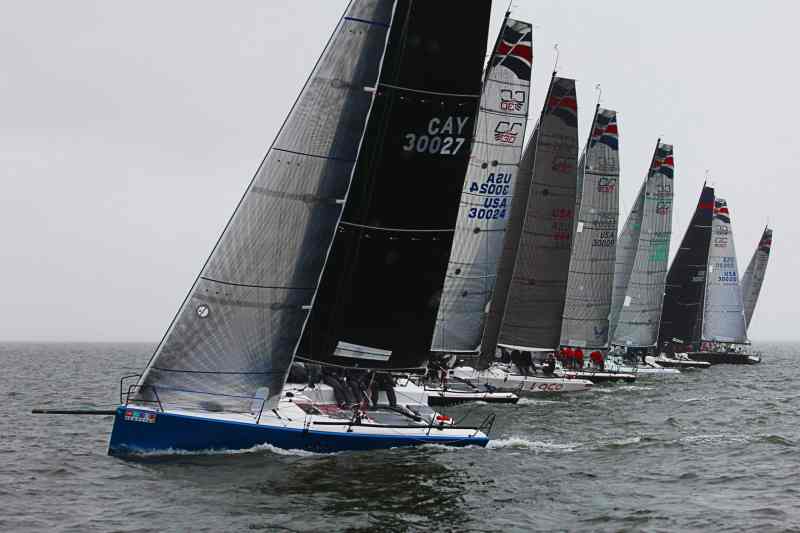
Knowing when to deviate from the fundamental rules of racing makes for more accurate tactical decisions and greater success on the racecourse.
Upwind or down, the key for crews is to feed information about incoming puffs to the skipper.
Whether you’re on port or starboard tack, the desired outcome of any crossing situation is the same: emerge in control of your destiny.
Everyone is bound to have an occasional bad start. If and when you do, just look for the exit signs and make your move when opportunity knocks.
A starting line with a favored end opposite of where you want to go can throw a wrench in your plans, Terry Hutchinson sorts out options when things get tough.
Terry Flynn reflects on the lessons learned sailing in a one-design fleet to keep in mind on the race course.
You don’t need to be a pro or have a pro on board to win races. Two top corinthian teams share their strategy for making to the top.
Keep it simple and understand your boat’s performance to better make gains and manage traffic in big fleets.
Knowing why a rule was added to the rulebook may help you remember it, and keep you out of the protest room.
Want to win your next big event? Don’t overthink the problem, just follow these simple steps and you’ll be well on your way.
Regattas are often won not by the sailor with the most great finishes, but by the sailor with the fewest bad finishes.
Communication on the water and off are essentially the same; but more often than not, what you talk about on shore and in between regattas will have bigger rewards on the water.
Knowing when to deviate from the fundamental rules of racing makes for more accurate tactical decisions and greater success on the racecourse.