Faster Headsail Changes
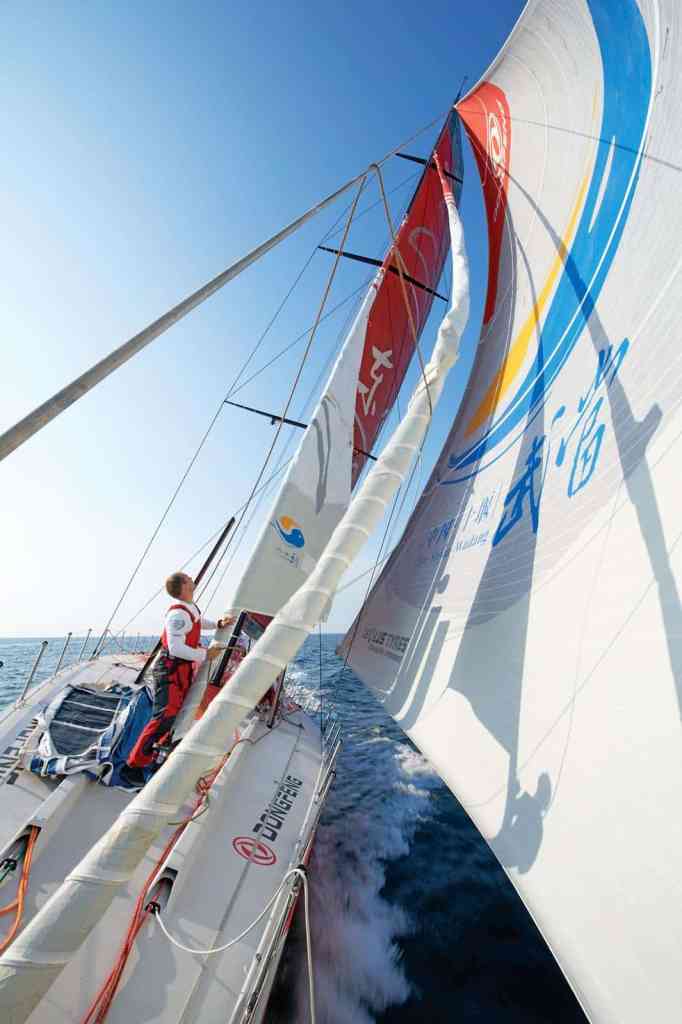
How fast was your headsail change? Likely, not fast enough. Andrew Kerr’s tips will make your next one rapid.

How fast was your headsail change? Likely, not fast enough. Andrew Kerr’s tips will make your next one rapid.
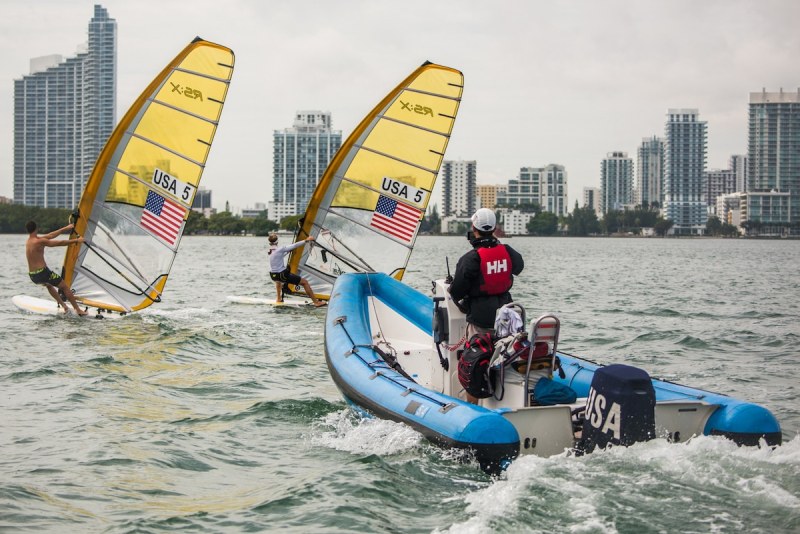
There is now the possibility of penalizing a coach or the parent of a child competing in an event.
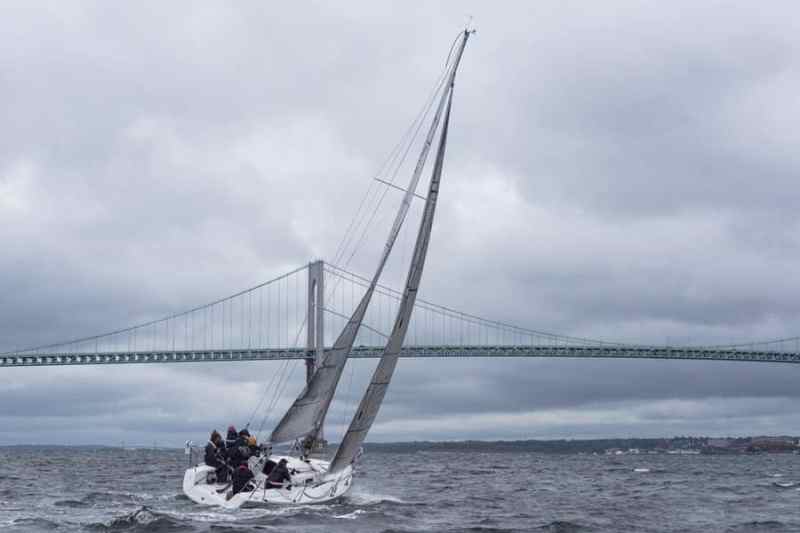
Mainsail twist can have a large impact on speed and performance. Quantum Sails explains what mainsail twist is and how to use it to get ahead on the racecourse.
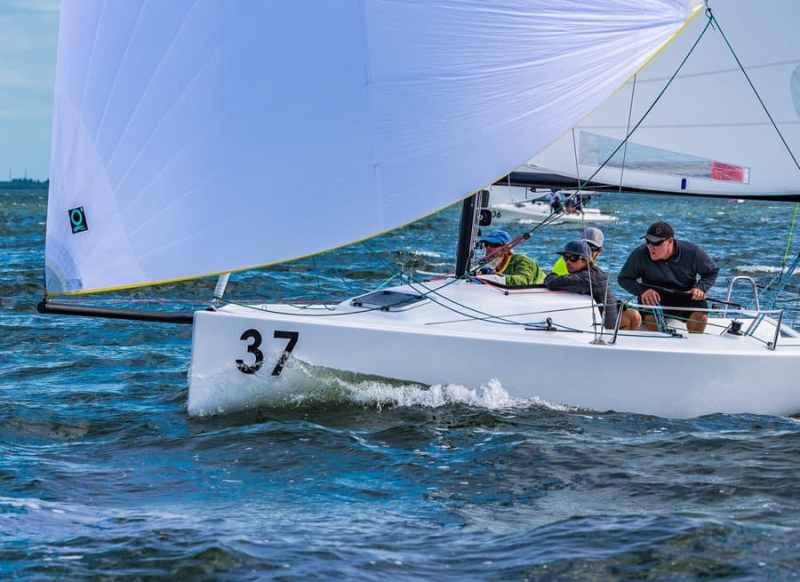
Quantum Sails’ Doug Stewart hits the water on a regular basis to get real-life knowledge and feedback. Here are his interesting observations for planing boats.
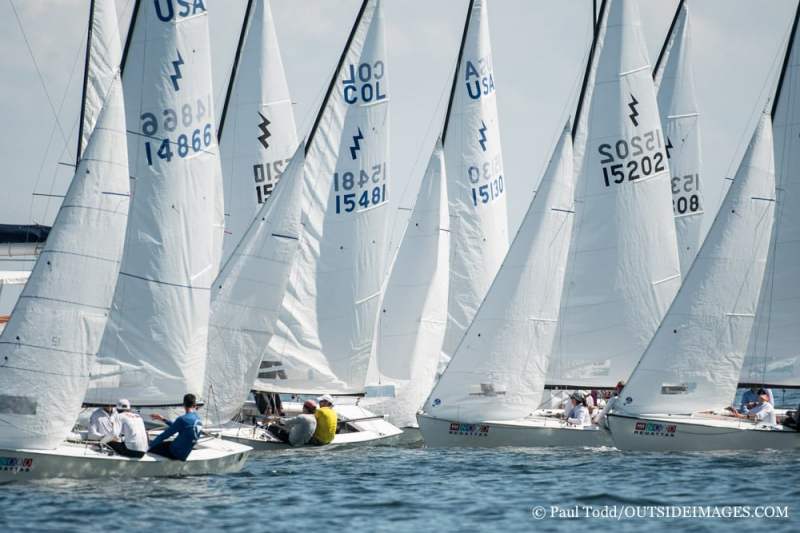
Top sailors know that time well spent before the first start will go a long way toward good finishes.
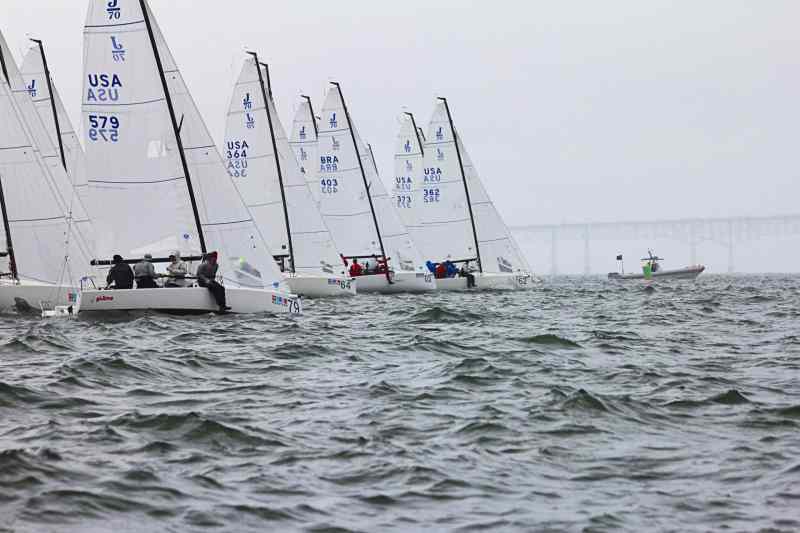
Steve Hunt applies what he learns during his pre-start workup, and makes a case for the importance of having a good plan—or at least having a plan.
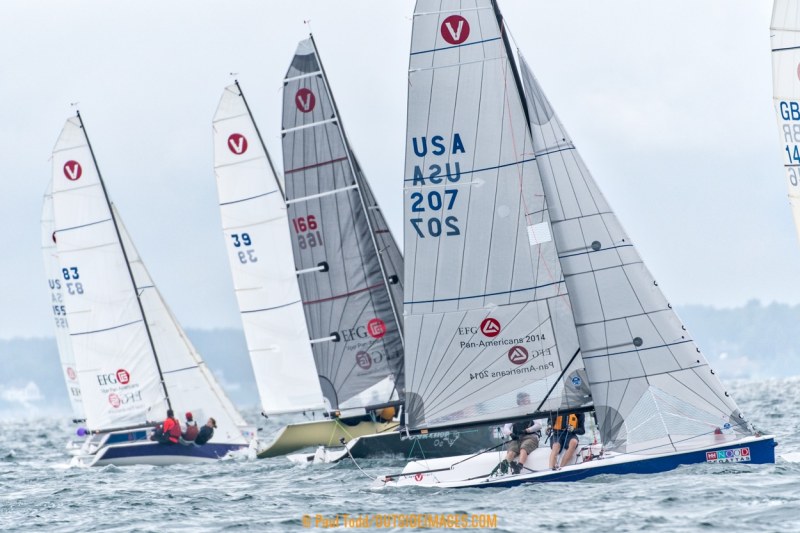
In his fourth installment, Steve Hunt gives us the guide to a conservative first leg.

After sailing a smart beat, it’s time to get around the weather mark without any drama.
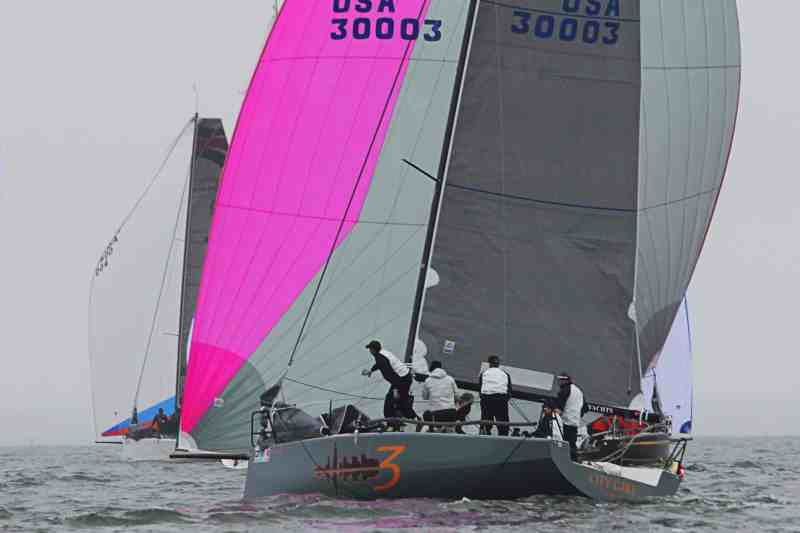
Plan early and keep it simple to get the most out of your downwind legs.
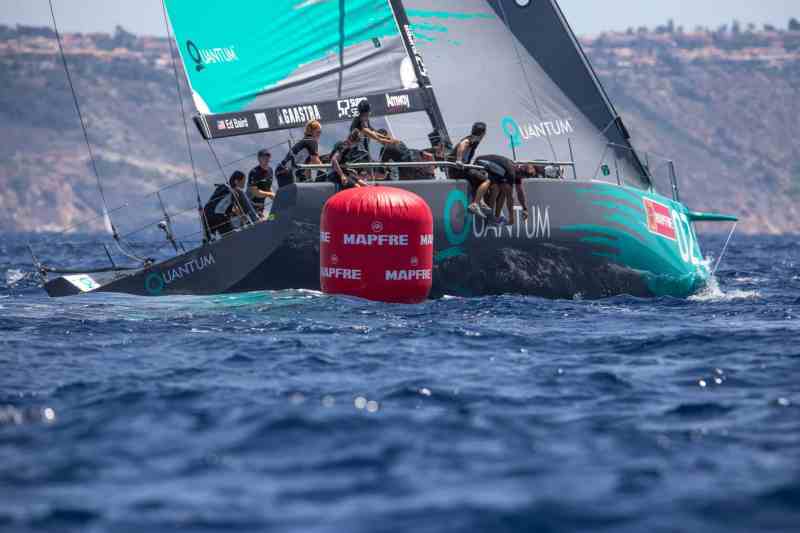
Races can be won and lost in the corners, especially at the leeward mark. Here’s where being proactive can really make the difference.
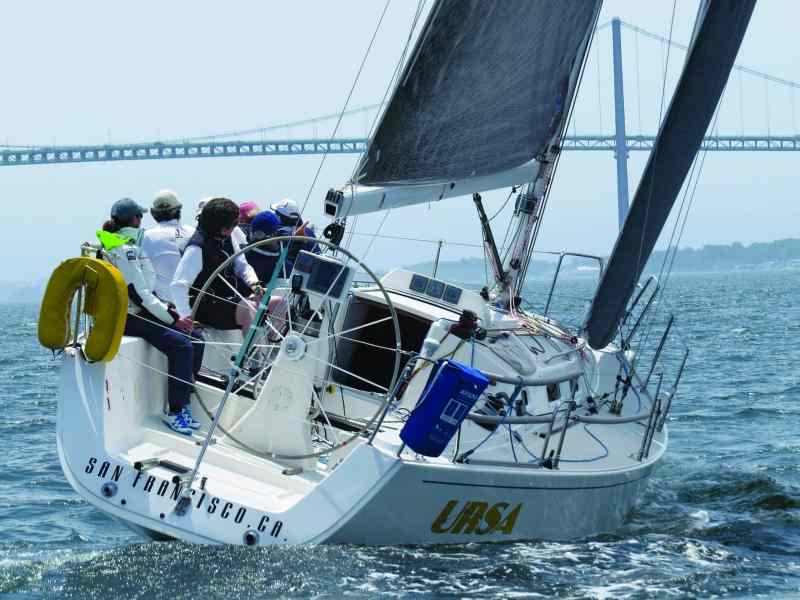
A jib inhauler will help narrow your sheeting angles and squeeze more height, but make sure you consider the cause and effect elsewhere in your sail plan.
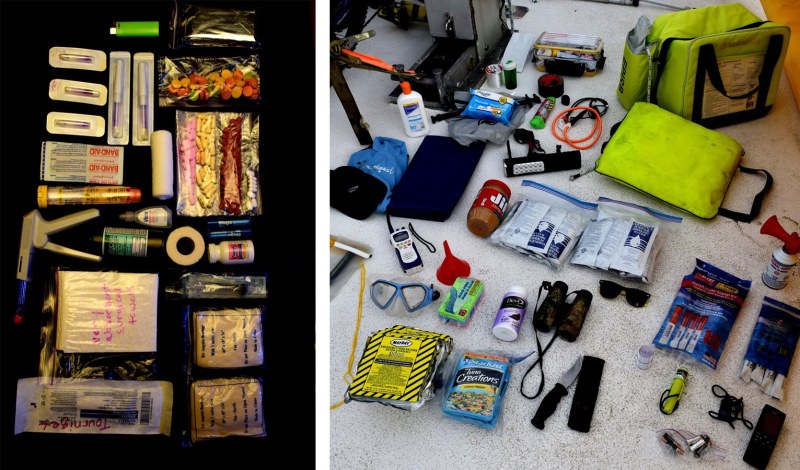
If the time comes to abandon ship, there is no better feeling than knowing that you’re as prepared as can be to face the unknown.
How fast was your headsail change? Likely, not fast enough. Andrew Kerr’s tips will make your next one rapid.
There is now the possibility of penalizing a coach or the parent of a child competing in an event.
Mainsail twist can have a large impact on speed and performance. Quantum Sails explains what mainsail twist is and how to use it to get ahead on the racecourse.
Quantum Sails’ Doug Stewart hits the water on a regular basis to get real-life knowledge and feedback. Here are his interesting observations for planing boats.
Top sailors know that time well spent before the first start will go a long way toward good finishes.
Steve Hunt applies what he learns during his pre-start workup, and makes a case for the importance of having a good plan—or at least having a plan.
In his fourth installment, Steve Hunt gives us the guide to a conservative first leg.
After sailing a smart beat, it’s time to get around the weather mark without any drama.
Plan early and keep it simple to get the most out of your downwind legs.
Races can be won and lost in the corners, especially at the leeward mark. Here’s where being proactive can really make the difference.
A jib inhauler will help narrow your sheeting angles and squeeze more height, but make sure you consider the cause and effect elsewhere in your sail plan.
If the time comes to abandon ship, there is no better feeling than knowing that you’re as prepared as can be to face the unknown.