11 Tips for Better Jib Performance
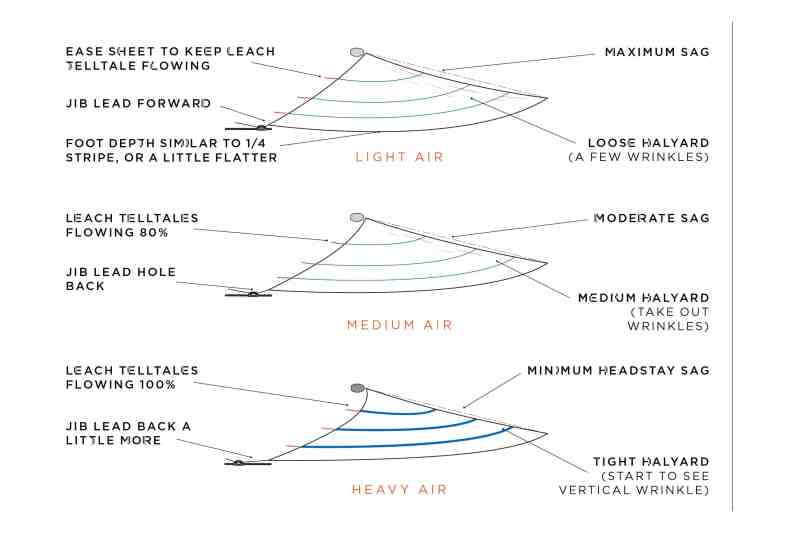
Because of its diminutive size, the jib gets no respect. in fact, its trim is usually more important to get right.

Because of its diminutive size, the jib gets no respect. in fact, its trim is usually more important to get right.
Every sailor eventually find himself in a scenario where boat-to-boat comms are necessary, but when it comes down to it, it’s often better to shut up and sail.
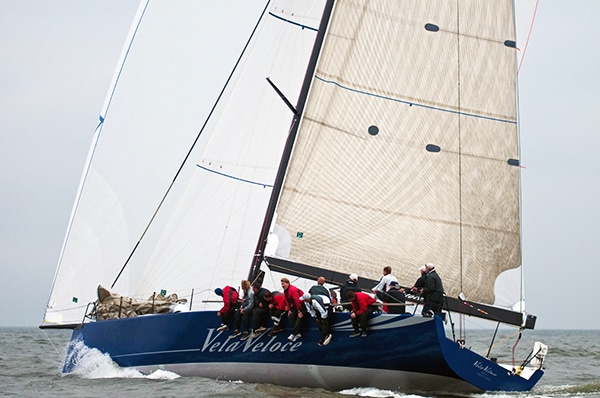
Blast reaching under an asymmetrical spinnaker can be, well a blast, but walking the line between control and a wipeout can sometimes prove difficult.
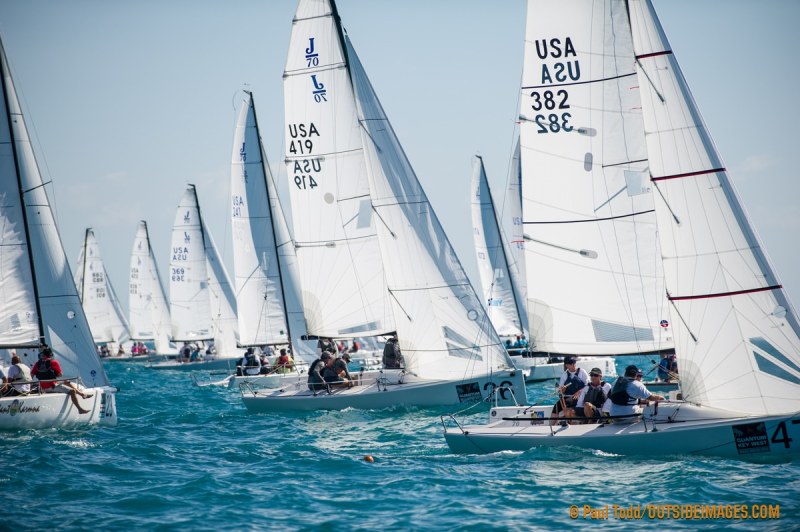
Trying out a new class is one way to learn more about boatspeed. This step-by-step guide will help whether you change classes or not.
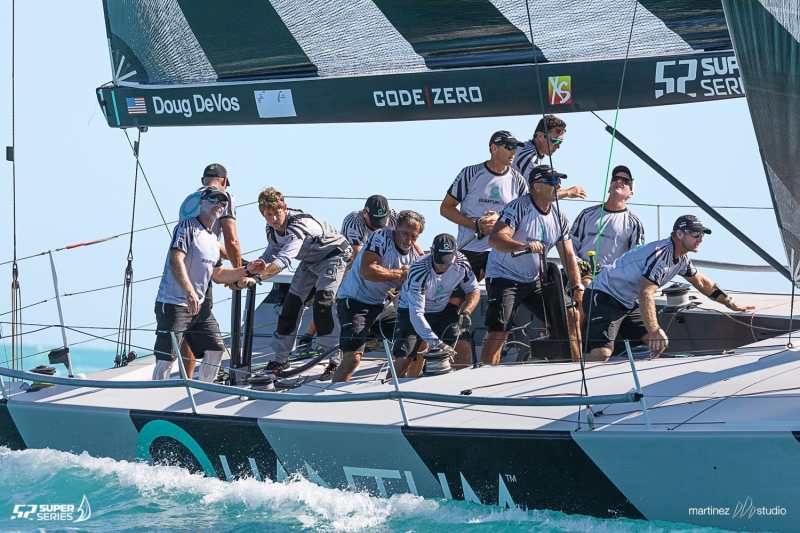
Want to know what it takes to win world championships? One of the best coaches in the business shares his secrets on what it takes to get to the top.
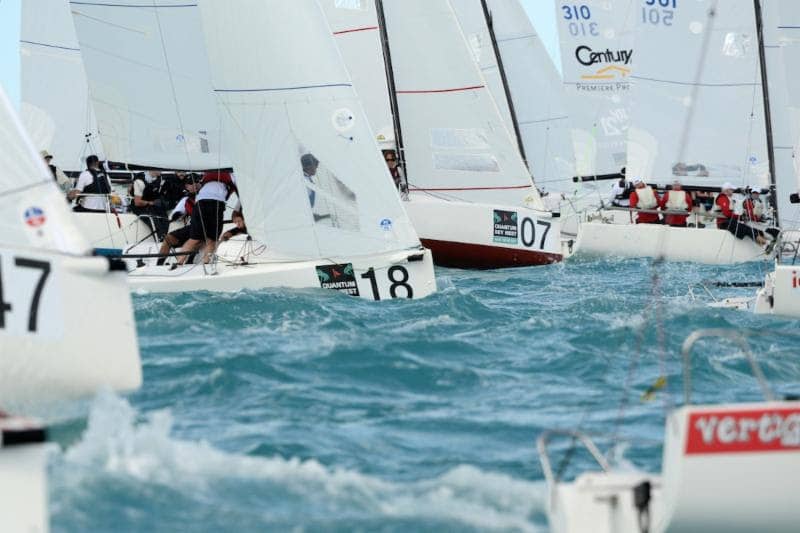
What did we say about not losing it on Day 1. Well, on Mascalzone Latino we almost did.
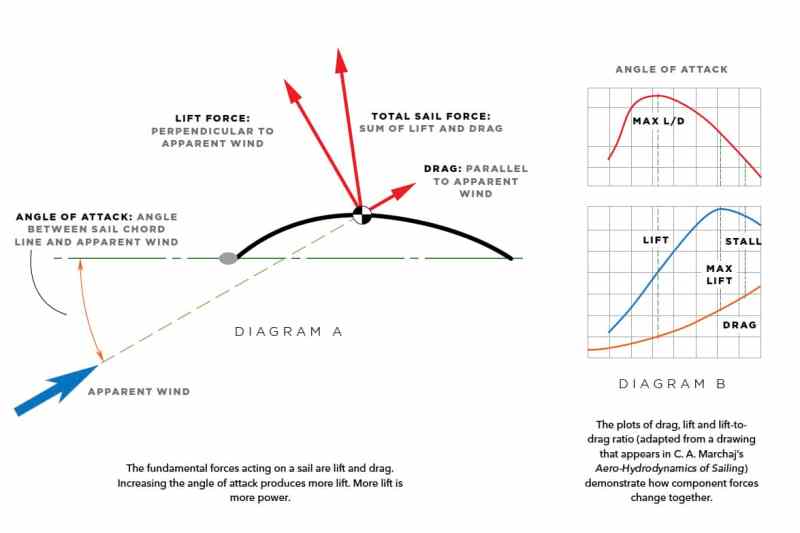
The next installment from The Art and Science of Sails examines the term “Angle of Attack” and the fundamental forces at play.
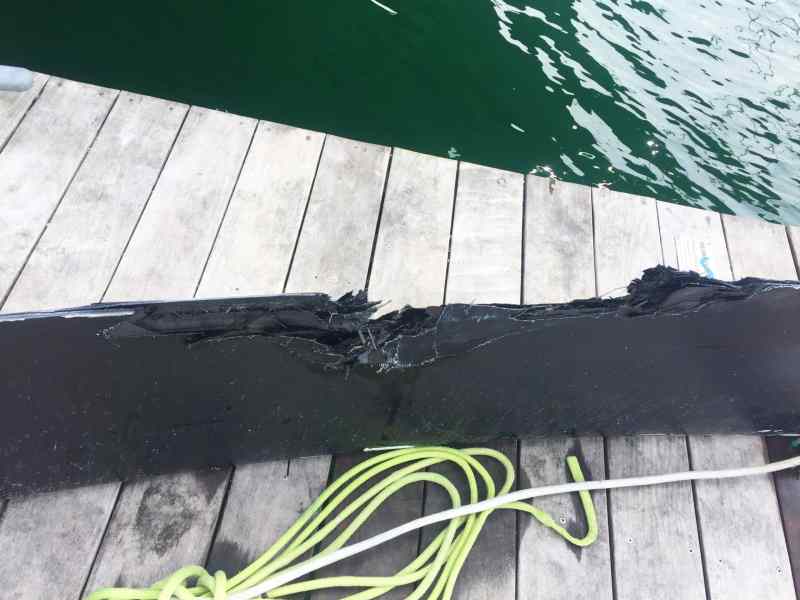
Collisions with objects at sea are becoming more and more common for ocean going sailors, but data on incidents involving marine mammals is often spare.
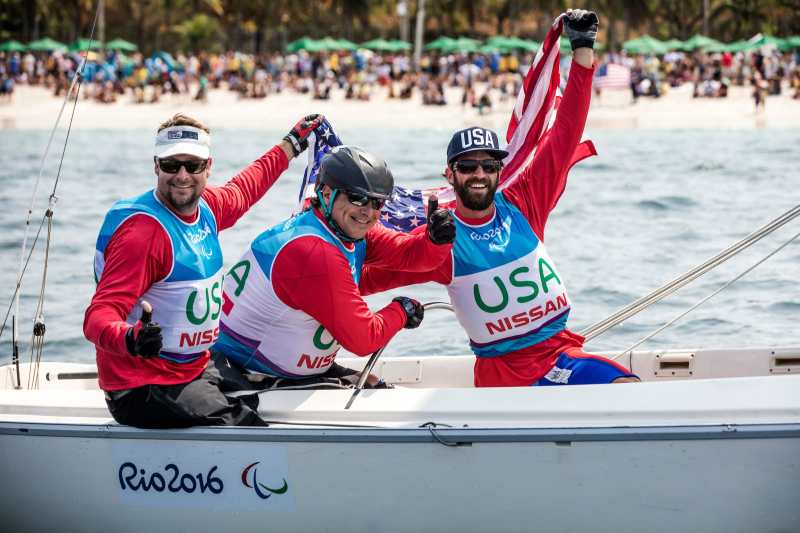
For the US Sonar Team at the Paralympic Games, setting specific goals and addressing mechanisms to handle pressure made a key difference in their performance.
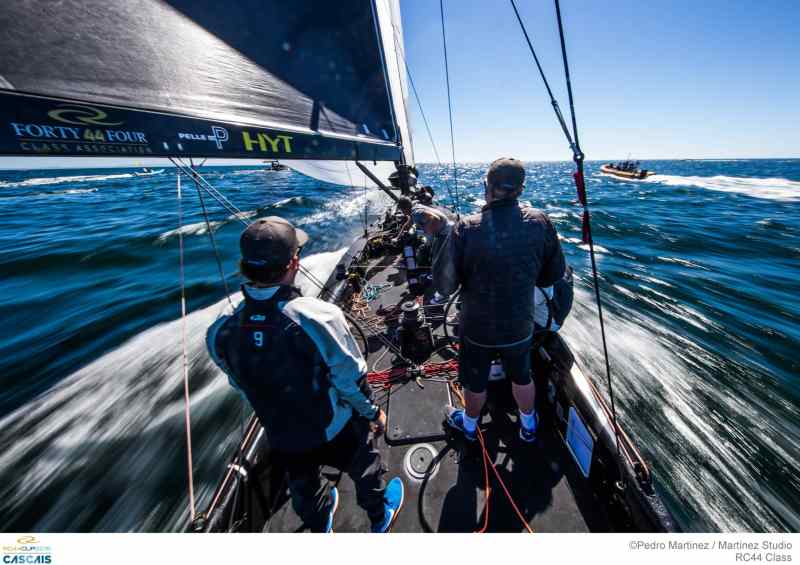
Open communication between the skipper and crew when the kite goes up can make all the difference on a downwind leg.
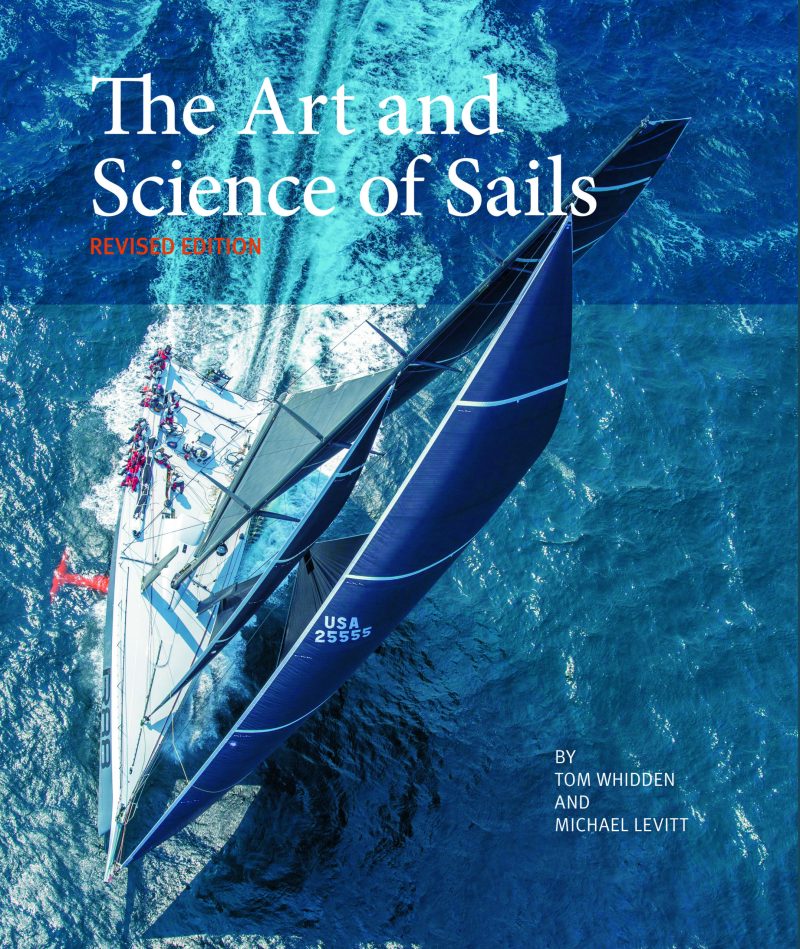
In this excerpt from The Art and Science of Sails Revised Edition (2016) by Tom Whidden and Michael Levitt, the authors revisit the basics of mainsail trim.
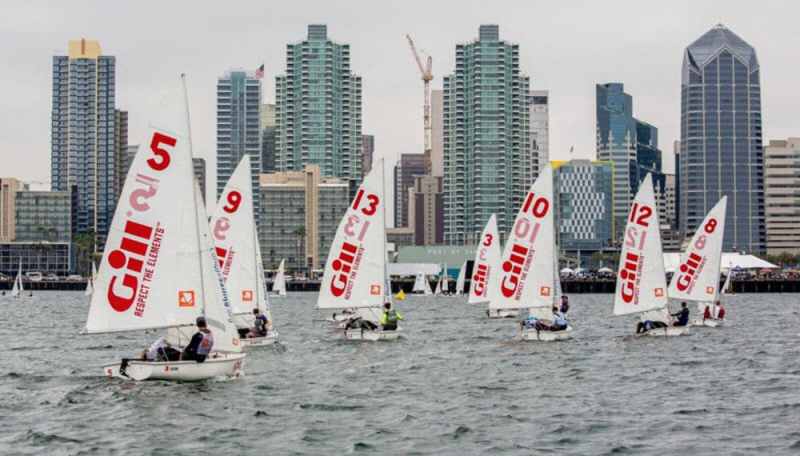
College Sailing coach Scott Ikle shares a number of ways to improve your average score, from smart starts to conservative upwind tactics.
Because of its diminutive size, the jib gets no respect. in fact, its trim is usually more important to get right.
Every sailor eventually find himself in a scenario where boat-to-boat comms are necessary, but when it comes down to it, it’s often better to shut up and sail.
Blast reaching under an asymmetrical spinnaker can be, well a blast, but walking the line between control and a wipeout can sometimes prove difficult.
Trying out a new class is one way to learn more about boatspeed. This step-by-step guide will help whether you change classes or not.
Want to know what it takes to win world championships? One of the best coaches in the business shares his secrets on what it takes to get to the top.
What did we say about not losing it on Day 1. Well, on Mascalzone Latino we almost did.
The next installment from The Art and Science of Sails examines the term “Angle of Attack” and the fundamental forces at play.
Collisions with objects at sea are becoming more and more common for ocean going sailors, but data on incidents involving marine mammals is often spare.
For the US Sonar Team at the Paralympic Games, setting specific goals and addressing mechanisms to handle pressure made a key difference in their performance.
Open communication between the skipper and crew when the kite goes up can make all the difference on a downwind leg.
In this excerpt from The Art and Science of Sails Revised Edition (2016) by Tom Whidden and Michael Levitt, the authors revisit the basics of mainsail trim.
College Sailing coach Scott Ikle shares a number of ways to improve your average score, from smart starts to conservative upwind tactics.